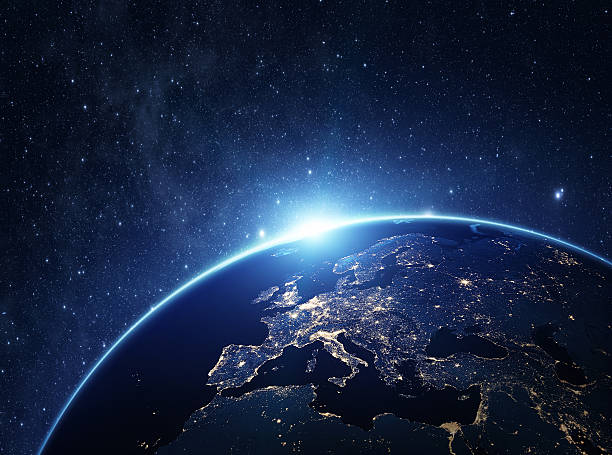
This project was created by Hodžobo. The idea to create a solar system using the Three.JS library came about completely by accident while learning Three.JS. It was quite fun to do this project.. i learned quite a bit and still have quite a bit left to learn. I wanted the solar system to be interactive so that it could be useful in learning planets. For each planet there is basic information about it and its moons. I hope you enjoy this project.
Where you can Find me:
Sun
The Sun is a massive ball of hot plasma at the center of the Solar System. It generates energy through nuclear fusion, producing light and heat essential for life on Earth.
Temperature (surface): 5,778 K (5,505°C)
Temperature (core): ~15 million K
Surface gravity: 274 m/s²
Mass: 1.989 x 10³⁰ kg
Average diameter: 1,391,000 km
Type: G-type main-sequence star (G2V)
Mercury
Mercury is the closest planet to the Sun and has a very thin atmosphere. Its surface is rocky and heavily cratered.
Temperature: 437K (164°C)
Surface gravity: 3.7 m/s²
Mass: 3.3011x10²³ kg
Average orbital speed: 47.36 km/s
Moon: None
Venus
Venus is the second planet from the Sun and has a thick, toxic atmosphere mostly made of carbon dioxide. Its surface is covered with volcanic landscapes.
Temperature: 737K (464°C)
Surface gravity: 8.87 m/s²
Mass: 4.867 x 10²⁴ kg
Average orbital speed: 35.02 km/s
Moon: None
Earth
Earth is the third planet from the Sun and the only known planet to support life. It has a diverse climate and liquid water on its surface.
Temperature: 288K (15°C)
Surface gravity: 9.8 m/s²
Mass: 5.972 x 10²⁴ kg
Average orbital speed: 29.78 km/s
Moon: 1 (The Moon)
Moon (Earth's Moon)
The Moon is Earth's only satellite, influencing tides and stabilizing the planet's axis. Its surface has craters, mountains, and maria.
Temperature (daytime): 127°C
Temperature (nightime): -173°C
Surface gravity: 1.62 m/s²
Mass: 7.347 x 10²² kg
Average orbital speed: 1.022 km/s
Distance from Earth: 384,400 km
Diameter: 3,474 km
Mars
Mars is the fourth planet from the Sun and is known as the "Red Planet" due to iron oxide on its surface. It has a thin atmosphere and polar ice caps.
Temperature: 210K (-63°C)
Surface gravity: 3.71 m/s²
Mass: 6.417 x 10²³ kg
Average orbital speed: 24.07 km/s
Moon: 2 (Phobos, Deimos)
Jupiter
Jupiter is the largest planet in the Solar System, a gas giant with a strong magnetic field and iconic storms like the Great Red Spot.